DMDeepMindex
A practitioner sitting in a quiet room wearing a wearable EEG headset.

Make the inner work measurable.

How a body of meditation research became an assessment platform

The people behind DeepMindex

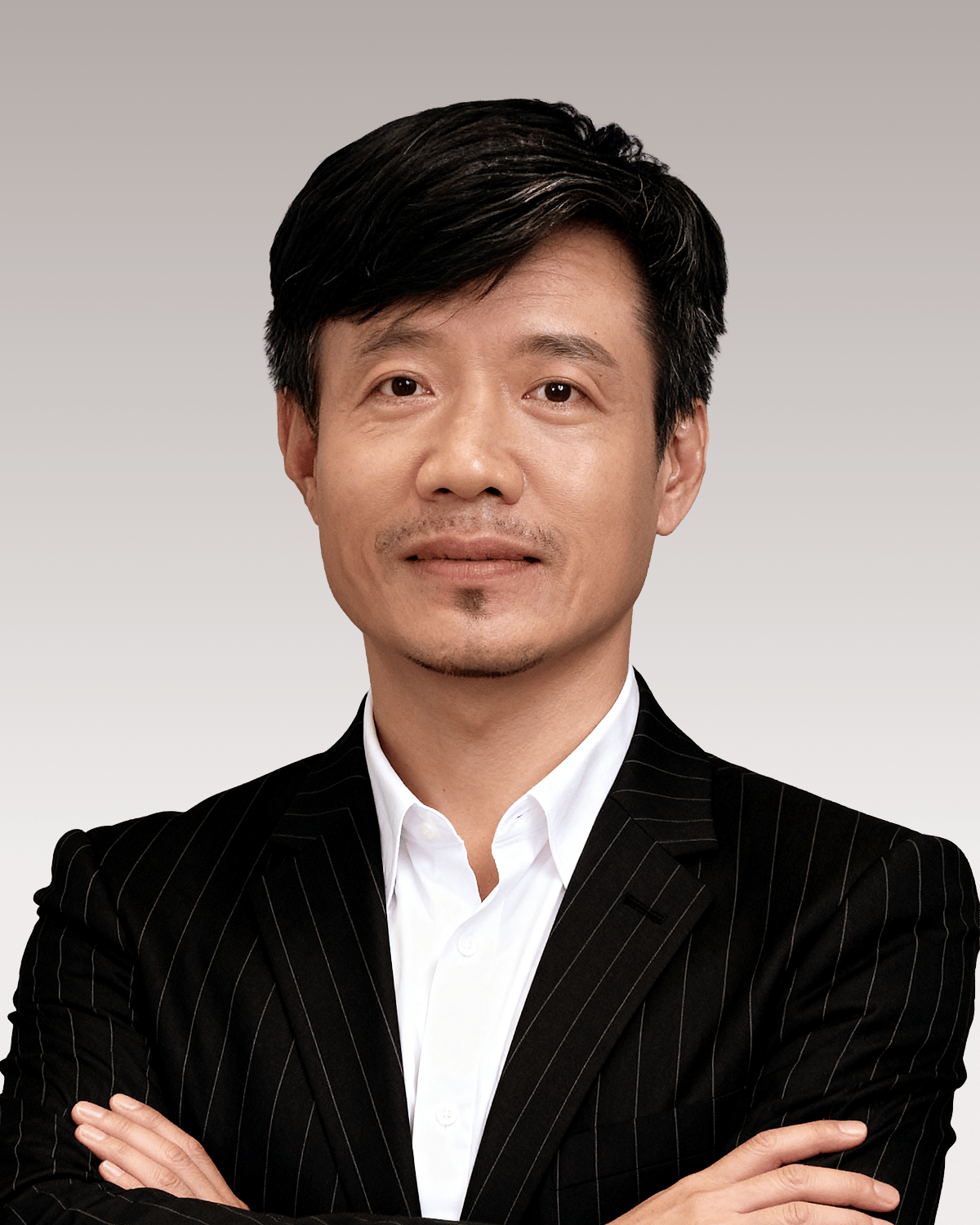
Portrait of Dr. Junling Gao.

Dr. Junling Gao

Founder

DeepMindex builds on Dr. Gao's long-standing research in EEG and meditation. That work produced an unusual asset: accumulated EEG and PPG recordings, including three deep-jhana meditation recordings, capturing states that are rarely measured in a laboratory. The platform exists to turn that research base into something practitioners and instructors can actually use.

It started with a question about attention

DeepMindex grew out of long-standing research in EEG and meditation — a body of work asking what actually changes in the brain and the body when someone sits down to practise.

That research produced an unusual asset: accumulated EEG and PPG recordings, including three deep-jhana meditation recordings, capturing states that are rarely measured in a laboratory at all.

The question that followed was not whether those states exist. It was why a practitioner has no way of seeing them for themselves.

A practitioner finishes a session with a feeling. We wanted to know whether that feeling could be checked.
A researcher reviewing EEG traces from a meditation session.

The inner work is invisible

Instructors teach attention, regulation and recovery — and then rely on self-report to know whether any of it landed.

Self-report is not useless, but it is retrospective, easily shaped by expectation, and silent about the physiology underneath the experience.

Meditation and mindfulness programmes therefore run without a measurement layer. DeepMindex was built to be that layer.

An instructor leading a group meditation session in progress.

Why one signal is never enough

Attention and physiological regulation move together, and neither is fully described by a single sensor.

DeepMindex records wearable EEG alongside PPG-derived heart rate and pulse-rate variability, adds respiration where the setup allows it, and holds practice context and brief self-reports beside them.

The result is a session profile in which the neural and autonomic records are read together, rather than as separate dashboards that never meet.

The interesting information is in how the two streams move relative to each other.
Wearable EEG and pulse sensors being fitted before a session.

Built to a standard a researcher would accept

An assessment platform is worth exactly as much as the trust in its numbers, so signal quality is assessed before anything is reported. Segments that fail the threshold are dropped rather than smoothed into the result.

Progress is measured against each practitioner's own baseline, never against a cohort average. Where a reading is uncertain, the uncertainty is shown rather than hidden behind a single confident figure.

That is a standard a research group can defend. It is the standard we build to.

A session profile open on a laptop beside recording equipment.

Mission & vision

A group meditation hall set up with recording equipment.

Mission

To give meditation and mindfulness programmes a measurement layer they can trust — making attention, physiological regulation and recovery visible to the people doing the work.

Vision

A field where contemplative practice and rigorous measurement reinforce one another, and where the tools state plainly what they cannot yet see.

Approach

Institutional pilots first, then software subscriptions, then validated algorithms licensed to wearable partners.

The DeepMindex research team working through analysis together.

How we work

DeepMindex is built by a small team around a body of research, and the way we work follows directly from that.

Features start as candidates. They stay candidates until they survive validation, and nothing reaches this website that the data cannot support.

Uncertainty is not a caveat we attach at the end. It is part of the measurement.

What comes next

The near-term work is validation: standardised protocols across experience levels, and independent assessment of reliability and generalisation.

Beyond that the pathway widens — from institutional pilots to software subscriptions, and to validated algorithms licensed into partner wearables, so the method can travel on hardware we do not build ourselves.

A practitioner sitting in a bright, quiet room after a session.

Make the inner work measurable